
The Journey to Developing Our Perfect Edge: Inspiration, Testing, and Innovation
When we began designing our edge, we knew it had to meet two key goals: optimize climbers’ finger training and warming up while ensuring comfort and safety. Like any good idea, ours was inspired by the innovations of others and refined through testing and feedback. In this article, we want to share our development process and the thinking behind the edge design we offer today.
Inspiration: Dr. Tyler Nelson’s Unlevel Edge
Our journey started with Dr. Tyler Nelson’s groundbreaking concept of the Unlevel Edge. Highlighted in Camp 4 Human Performance, this design aimed to address a common issue in traditional flat edges: uneven load distribution. On a flat edge, the middle two fingers tend to bear the brunt of the load due to their natural length, leading to asymmetrical training and an increased risk of injuries, particularly to the PIP (proximal interphalangeal) joints.
The Unlevel Edge tackled this by placing each finger on a staggered surface, redistributing the load more evenly across all fingers. This innovation not only promotes balanced strength development but also reduces the risk of overuse injuries, making it ideal for both training and warming up. Inspired by these findings, we decided to explore how this concept could be adapted to meet the needs of climbers in various contexts.
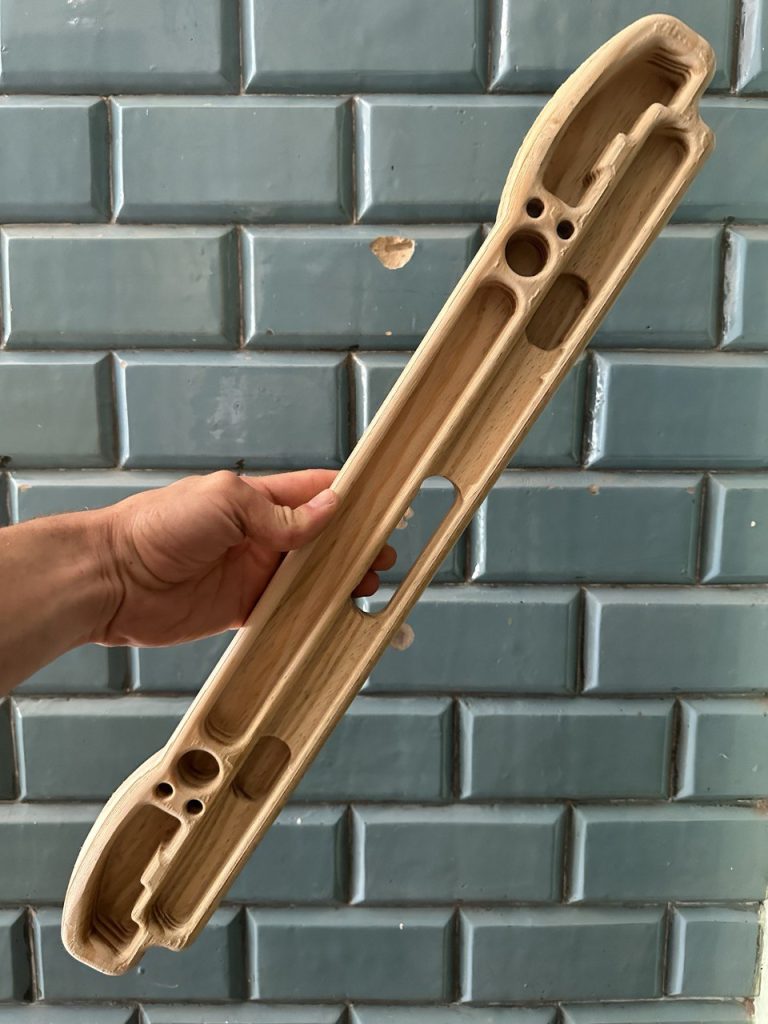
One of our first Sending Board prototype 🙂
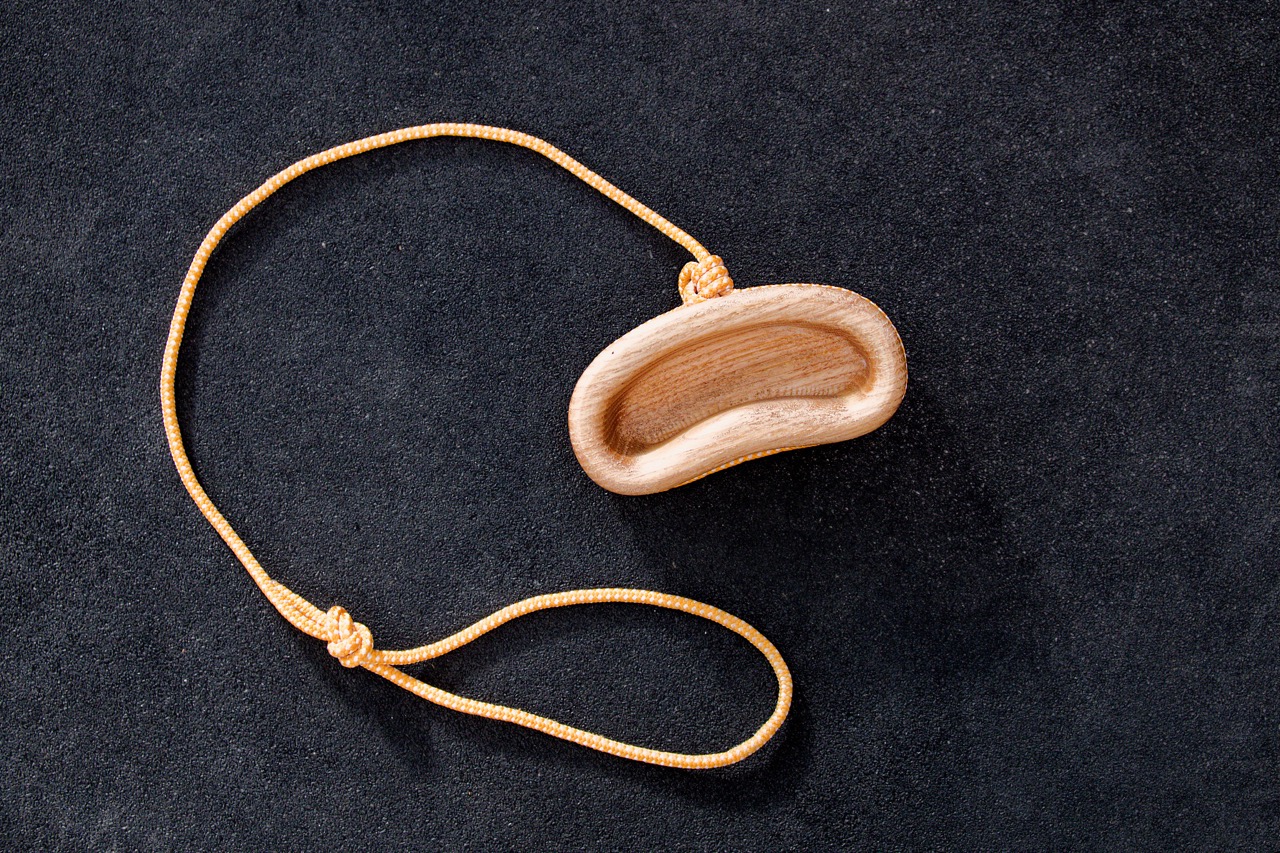
The final Bean
Testing, Feedback, and Evolution
Armed with these background, we tested dozens of edge prototypes with a diverse group of local climbers. These climbers ranged from seasoned athletes to beginners, offering a wide range of perspectives. Through this process, a few key insights emerged:
1. Curved Edges for Comfort: While the staggered design of the Unlevel Edge proved effective, we found that adding a slight curve made the edge more comfortable for most users. This adjustment reduced pressure points on the skin and allowed climbers to train for longer without discomfort.
2. Practical Depths: A variable depth of 25mm to 30mm with a variable curved fillet (5-15mm) struck the right balance between accessibility and challenge, making the edge suitable for warming up, strength training, and capacity building.
3. Portability and Durability: we wanted our product to be lightweight and easy to transport, so climbers could warm up or train wherever they went. The Bean was actually kind of accidental though, as its first iteration came out as a testing edge for the Sending Board design!
Want to know more about the unlevel edge concept? Check this out
A load distribution problem
TBP 225: Dr Tyler Nelson on Unlevel Grips for Finger Training